

Solar System Add-Ons & Expansion
Grow the system you have. Starting with compatibility.
Add panels, battery storage or monitoring upgrades to an existing solar system, including systems installed by other companies. Every expansion starts with a review of your equipment, available capacity and utility requirements.
- NABCEPCertified PV Installation Professional on staff
- OSHATrained service crew
- Systems from other installersService for many systems installed by other companies
- Regional serviceSouthwestern Pennsylvania & northern West Virginia
- Licensed & insuredPA HIC #PA217571
What you can add
Options for an existing system.
Your energy needs change. A new vehicle, an addition to the home or a growing business can make your original system feel small.
Additional panels
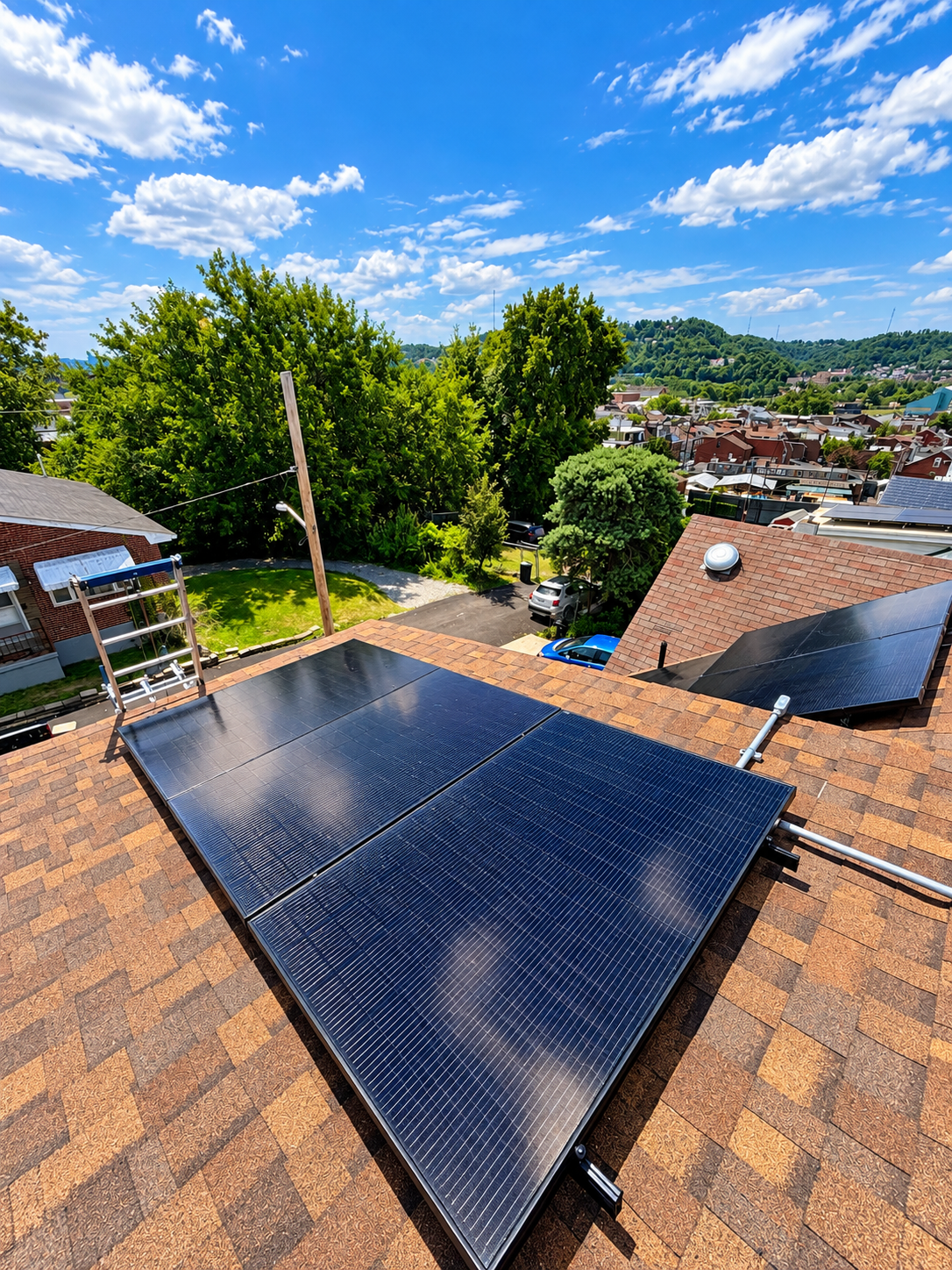
Add capacity on remaining roof space or a suitable ground-mount area when the existing system and site allow it.
Battery storage
Store solar energy for later use and add backup for selected loads when the equipment and electrical design are compatible.
Monitoring upgrades
Restore, replace or upgrade monitoring so you can see how your system and any new equipment are performing.
Inverter & microinverter upgrades
Replace aging or undersized inverters, or add compatible microinverters, as part of an expansion plan.
Additional arrays
Add a separate array on another roof plane, structure or ground mount when one location isn't enough.
Equipment replacement
Swap failed or outdated components for compatible equipment while keeping the rest of the system in service.
What determines compatibility
Not every system can grow the same way.
We look at these factors before recommending anything.
Existing equipment
The make, model, age and condition of your panels, inverters, racking and monitoring, and whether new equipment can work with them.
Roof & site capacity
Usable roof area, orientation, shading, setbacks and roof condition, or suitable ground space for a new array.
Inverter & microinverter limits
String inverters have capacity limits, and some microinverter and battery combinations aren't compatible. Some expansions need new or additional inverters.
Electrical capacity
Your main panel, service size and available breaker space affect how much solar and storage can be connected.
Utility & interconnection rules
Most expansions require an updated interconnection application and utility approval, and system size limits can apply.
Warranty considerations
We review manufacturer terms and note where an addition could affect coverage on existing equipment.
The expansion assessment
What you get before any work begins.
A clear picture of what your system can support, and what it would take.
- Identification of your existing equipment
- A check of roof, site and electrical capacity
- Inverter and battery compatibility review
- Utility and interconnection requirements
- Written options with an itemized quote
- Notes on any effect on existing warranties
How an expansion works
From review to running.
Existing system review
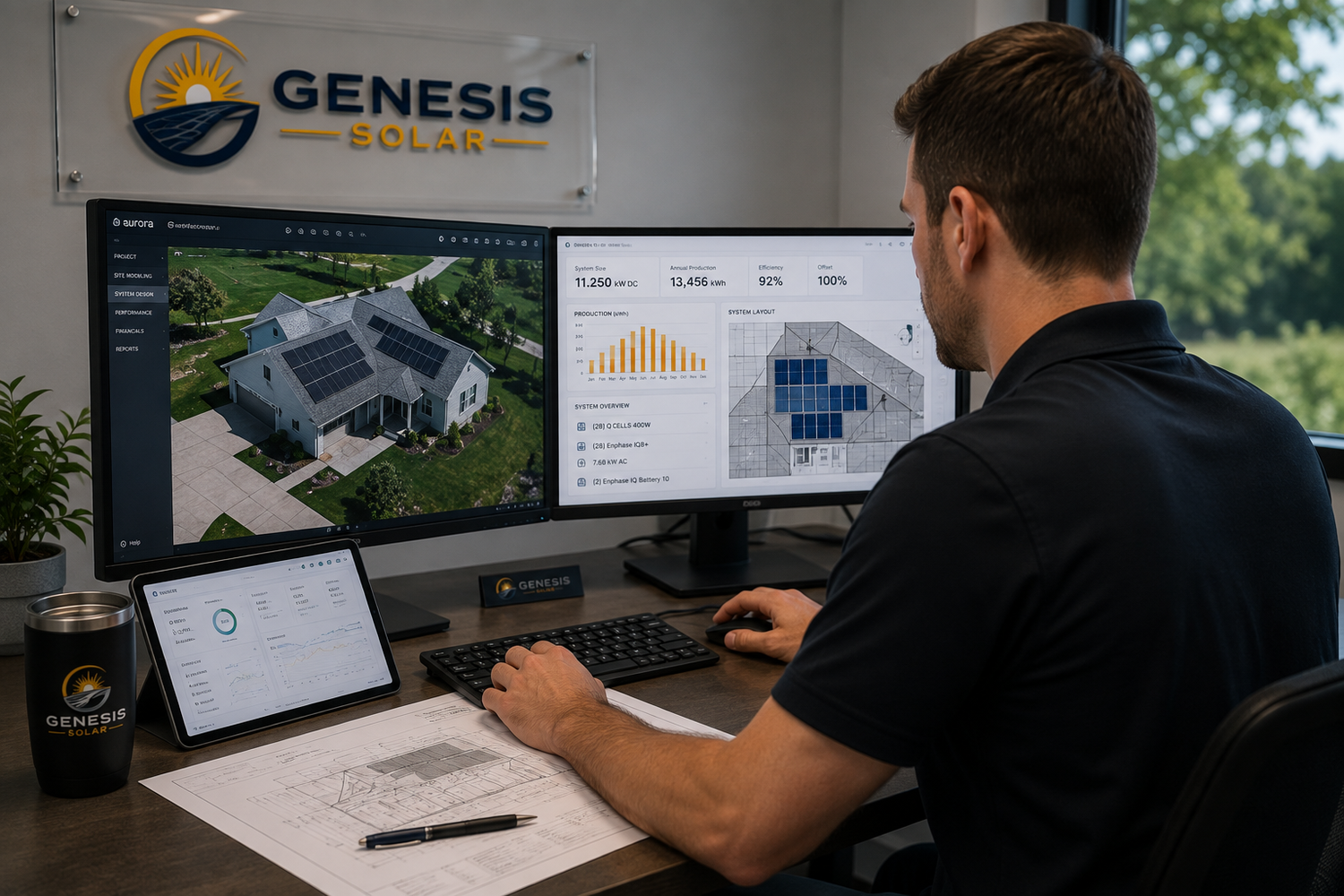
We identify your equipment, review documents and monitoring data, and check how the system is performing today.
Site & electrical evaluation
We assess remaining roof or ground space, structural considerations and electrical capacity.
Utility requirements check
We confirm interconnection and size requirements with your utility before finalizing a design.
Design & proposal
You receive a compatible design, an itemized proposal and the assumptions behind it.
Permitting & interconnection
We handle permits, inspections and the updated utility application.
Installation & commissioning
We install the additions, test the full system and update monitoring.
Questions
Add-ons & expansion FAQ.
Can I add more panels to my existing system?
Existing solar systems may be expandable depending on available roof or property space, electrical capacity, equipment compatibility, utility requirements, and the existing system design. Genesis Solar can evaluate the current system and determine what expansion options may be appropriate.
Can I add a battery to my existing solar system?
Battery storage may be added when the existing system, equipment, available space, and electrical design are compatible. Genesis Solar can evaluate the property and system before recommending next steps.
Will adding panels require a new inverter?
Sometimes. String inverters have capacity limits, so a larger system may need a new or additional inverter. Microinverter systems can often be extended panel by panel, if compatible equipment is still available.
Do I need utility approval to expand?
Usually, yes. Most utilities require an updated interconnection application before added capacity is turned on. We prepare and submit it as part of the project.
Will an expansion change my net metering?
It may. Net metering and interconnection rules vary by utility and system size and can change over time. Benefits are not guaranteed, and we review current requirements before you commit.
Can you expand a system another company installed?
Yes, after an evaluation. Expanding or servicing a system does not mean Genesis Solar assumes another installer's workmanship warranty, service warranty, or contractual obligations.
Get started
Find out what your system can support.
Tell us about your current system and what you'd like to add. We'll review compatibility and outline your options in writing.
Expansion options depend on equipment, site, electrical capacity and utility approval. Production, savings, net metering and incentives vary and are not guaranteed.